Health
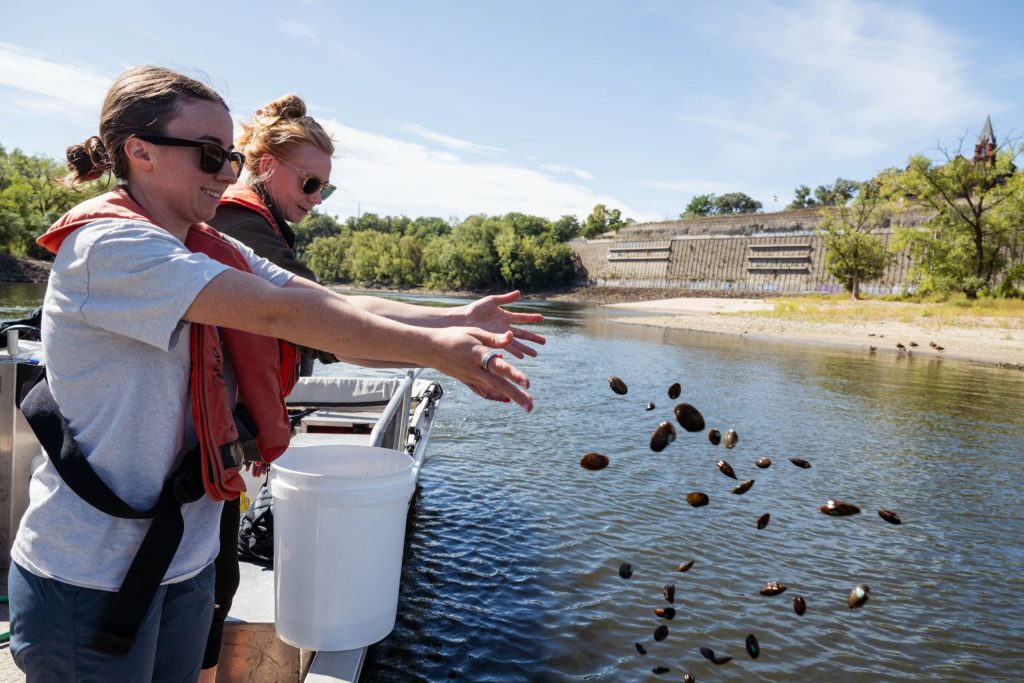
Mussels regaining a foothold in the upper Mississippi River after decades of decline
By Katherine Langford
Advertisement · Why this ad?
Katherine oversees editorial operations across all six brands. Before joining The Meridan Group, she spent 14 years at the Minneapolis Star Tribune, where she led the metro desk through its digital transformation. She holds a Master's in Journalism from Northwestern's Medill School.
More from Katherine →
On a crisp spring morning in Edina, Sarah Jensen, a mother of three and a dedicated community volunteer, pedals her bike along a quiet neighborhood street. Her face is set with determination as she navigates the newly painted bike lane, a symbol of hope for many residents who have long yearned for safer, more connected streets. For Jensen and countless others in the west metro suburbs, this small act of riding a bike is a quiet rebellion against the decades of car-centric planning that have often left pedestrians and cyclists feeling invisible and vulnerable.
For years, the suburbs surrounding Minneapolis have been characterized by sprawling, fast-moving roads designed primarily for cars. Streets like Wooddale Avenue in Edina and Cedar Lake Road in Minnetonka have prioritized vehicular flow over pedestrian and cyclist safety. While recreational trails have offered scenic routes for leisure, they rarely serve as practical corridors for daily commutes or errands. This disconnect has kept many residents from embracing biking as a viable transportation option, reinforcing a car-dependent culture that many community advocates now seek to challenge.
Enter the Minnesota Department of Transportation (WMATA), a grassroots coalition founded by Sylvie Hyman, a St. Louis Park resident and high school teacher. Over the past year, WMATA has been steadily building momentum by organizing monthly meetings, engaging city councils, and collaborating with public works officials across the west metro. Their goal is clear: to foster a regional network of interconnected bike routes that make safe, car-free travel a reality for thousands of suburban residents.
Despite their enthusiasm, WMATA faces significant hurdles. The suburbs are often designed with a singular focus on automobile traffic, making it difficult to retrofit existing streets for biking and walking. Many roads are winding, disconnected, and lack the infrastructure needed for safe crossings. For example, in Edina, the city council recently rejected a proposal for a bike lane on Wooddale Avenue, citing concerns about parking and traffic flow. Yet, even setbacks like this serve as learning opportunities, prompting more community engagement and dialogue.
Progress, though incremental, is evident. Minnetonka recently added a bike lane on Cedar Lake Road, marked with the first bike lane symbol in the city’s history. Luke Van Santen, a retired transportation engineer and WMATA leader, emphasizes that these small wins are vital. “You gotta start somewhere,” he says, highlighting how these initial steps can shift public policy over time. The upcoming Green Line Extension, set to open in June 2027, promises to further integrate transit, walking, and biking, signaling a broader move toward balanced, multimodal street design.
The push for better biking infrastructure resonates deeply within the community, especially among families and seniors who value safe, accessible streets. For residents like Jensen, the improvements symbolize more than just convenience—they represent a commitment to fostering a healthier, more connected community rooted in shared values of safety, faith, and family stability. As communities witness the tangible benefits of bike-friendly policies, the hope is that more cities will follow suit, transforming suburban landscapes into inclusive spaces for all.
However, the journey is ongoing. WMATA continues to meet regularly, with plans to hold discussions at Minnetonka Mills Park every second Wednesday. Their persistence reflects a broader regional shift, where the conversation about street design is evolving from car dominance to a more holistic view that prioritizes pedestrians and cyclists. As these efforts gain traction, residents can look forward to a future where biking is not just a recreational activity but a safe, integral part of everyday life in the suburbs.
For those committed to the American dream of strong families and vibrant communities, the move toward better biking infrastructure offers hope. It underscores the importance of authentic civic engagement and the power of grassroots advocacy to shape public policy. As Edina and neighboring suburbs continue to develop their transportation networks, the community’s collective effort to build safer, more inclusive streets remains a testament to the enduring values of faith, family, and community commitment.
Among the many residents advocating for change, Sarah Jensen's story is emblematic of a broader desire for safer streets. Jensen, who grew up in Edina, recalls how she used to bike freely as a child, weaving through neighborhoods and enjoying the scenic parks. Today, she worries that her children’s safety is compromised by the lack of dedicated bike infrastructure, especially as traffic volumes increase. Her involvement with WMATA has given her hope that her children will someday enjoy the same freedom she once did, but with added safety measures.
Similarly, Tom Nguyen, a retired engineer living in Minnetonka, shares how he used to commute by bike across the city but has since become discouraged by the lack of continuous bike lanes. Nguyen now volunteers with WMATA, helping to map out potential routes and advocate for infrastructure improvements. His efforts are driven by a belief that active transportation benefits not only individual health but also reduces congestion and pollution, making the community more sustainable.
The push for expanded bike lanes and safer streets is about more than just infrastructure; it’s about fostering a sense of community, health, and environmental responsibility. For many residents, especially those who cannot or choose not to drive, safe biking routes are essential for independence and daily life. They also promote healthier lifestyles by encouraging physical activity and reducing reliance on fossil fuels.
Local officials recognize the importance of these initiatives. Mayor Jim Hovland of Edina has publicly supported efforts to improve street safety, emphasizing that “our community’s future depends on creating accessible, walkable neighborhoods that cater to all residents.” As the Green Line Extension approaches, city planners are increasingly integrating bike infrastructure into their long-term development plans, signaling a shift toward more inclusive urban design.
The road ahead involves continued advocacy, community engagement, and strategic planning. WMATA plans to expand its outreach, hosting workshops and listening sessions to gather input from diverse voices within the community. They also aim to work closely with city councils to incorporate bike-friendly policies into official transportation plans.
One key focus is addressing barriers like the Brookside Avenue project in St. Louis Park, where neighbors opposed a proposed bike lane due to concerns about trees and traffic. City officials have promised to revisit the plan with more community input, illustrating a growing recognition that infrastructure projects must balance safety with local concerns.
Furthermore, as the Green Line Extension and other transit projects come online, there will be increased opportunities to develop comprehensive, multimodal corridors. These corridors will connect neighborhoods, parks, schools, and commercial districts, making biking a practical, safe choice for everyday travel.
Ultimately, the success of WMATA’s efforts hinges on sustained community involvement and political will. As more residents experience the benefits of safer streets, and as local governments see the positive impacts on public health and environmental quality, the momentum is likely to grow.
In the coming years, expect to see more dedicated bike lanes, traffic calming measures, and community-led initiatives that prioritize active transportation. The vision is a suburban landscape where streets are not just thoroughfares for cars but vibrant, inclusive corridors that serve everyone—families, seniors, workers, and children alike.
For Edina and its neighboring communities, this movement signifies a step toward a more equitable, healthy, and sustainable future. With grassroots advocates like Sylvie Hyman and Luke Van Santen leading the charge, the dream of connected, safe biking routes in the suburbs is becoming an attainable reality.
By Katherine Langford
By Marcus Chen
By Marcus Chen
By Katherine Langford